

 Book holidays
 holiday Rental
 Stays in residence
 discounts
 Book hotel
 Stays
Stays Excursions
 Sailing and Boating
 Beaches and seaside
 Hike
Hike Tourism
 Discoveries
 Cinemas
 Films
Films Restaurants
 Recipes
 Activities
 Outings
 car rental
 Corsica Ferries
 Good ideas on the Riviera
 World within reach of Nice
 Airline Tickets
 Real Estate
 Classified Ads
 Facebook
 Photo of the Week
 Agenda of the week
 Calendar
 Horoscope
 Events
 Our favorites


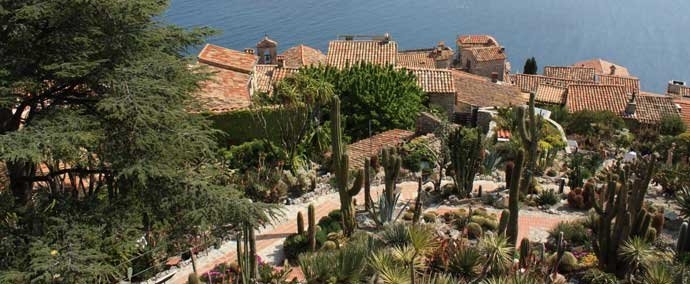
Éze (06360)
Reserve a hotel in Éze :From promotionally-priced hotels to the most luxurious ones of Éze, find our Éze and Côte d'Azur hotel selection !
See the Hotels
See the Hotels
bibi©
Éze (06360)
Find accommodation in Éze :Find a hotel in Éze: special deals on the Côte d'Azur in Éze
See the Hotels
See the Hotels
bibi©
Éze (06360)
Find a hotel in Éze :See hotels in Éze and browse all our special deals on the Côte d'Azur
See the Hotels
See the Hotels
bibi©
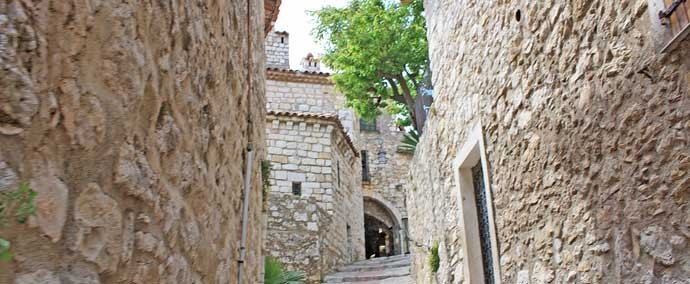
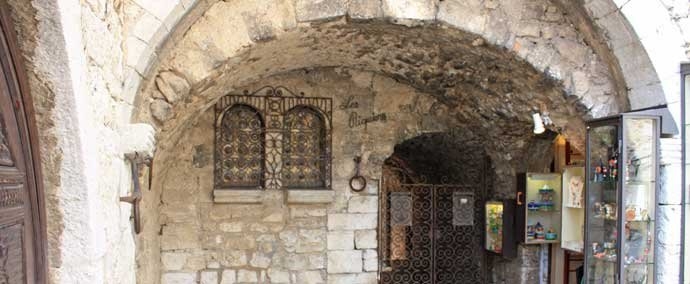
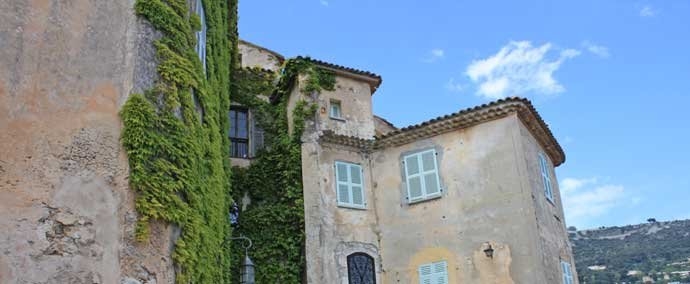
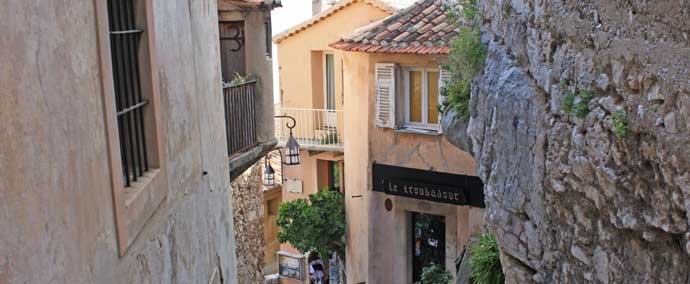
No 1
No 2
No 3
No 4
No 5
No 6
No 7
No 8
No 9
No 10
No 11
No 12
No 13
No 14


tourist information
- Find lodging
Accommodation Éze
Real Estate Éze
Rentals Éze
Holiday Rentals Éze
- Transport
car rental Éze
Ferry Corse Côte D'azur - Entertainment
Tourism Éze
Evenings out Éze
Beaches in Eze
Restaurants Éze
Information on the cities of Côte d'Azur Éze - Tourism Alpes Maritimes Côte d'Azur
Presentation
DESCRIPTION
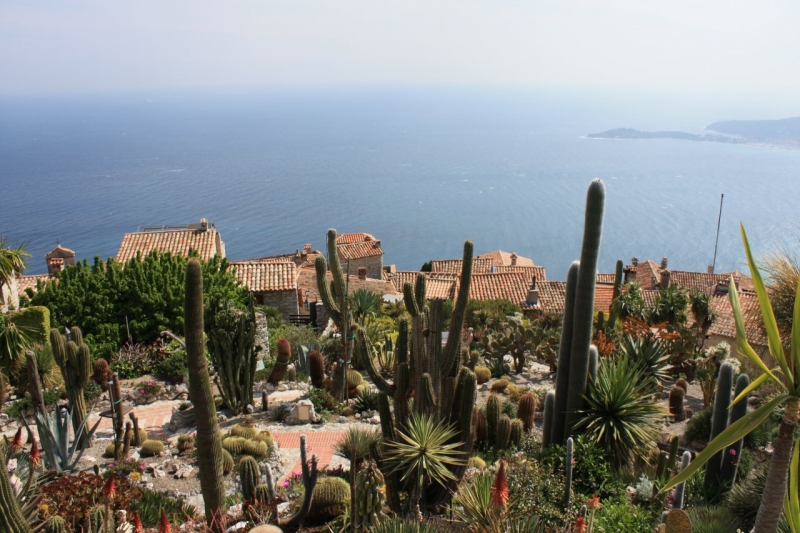
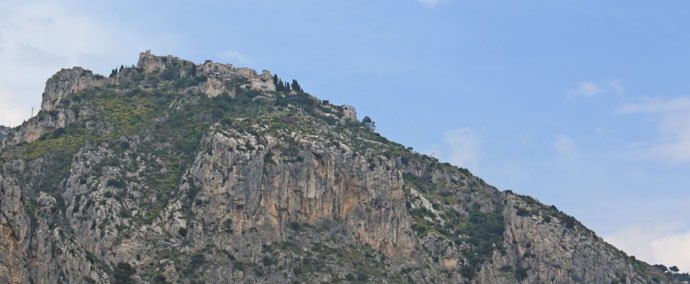
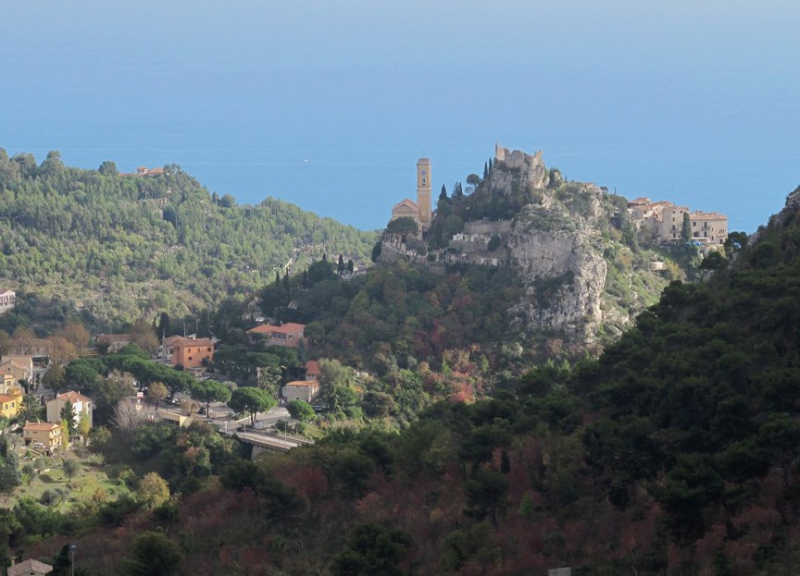
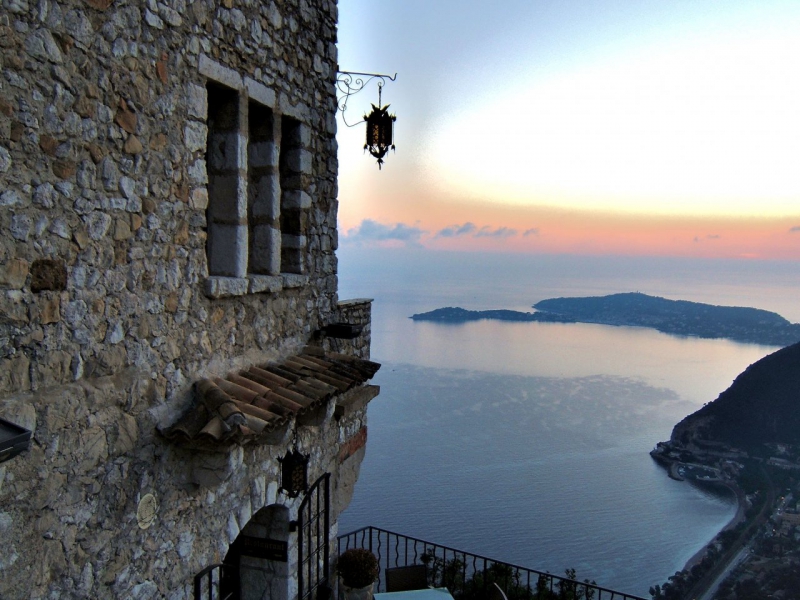
Renowned for its peace and quiet, Eze has had numerous famed inhabitants. Of particular note was Nietzsche. It was here that the philosopher wrote “Thus Spake Zarathustra”. This piece of history is perpetuated by the chemin de Nietzsche (the Nietzsche Pathway).
HISTORY
ENTERTAINMENT
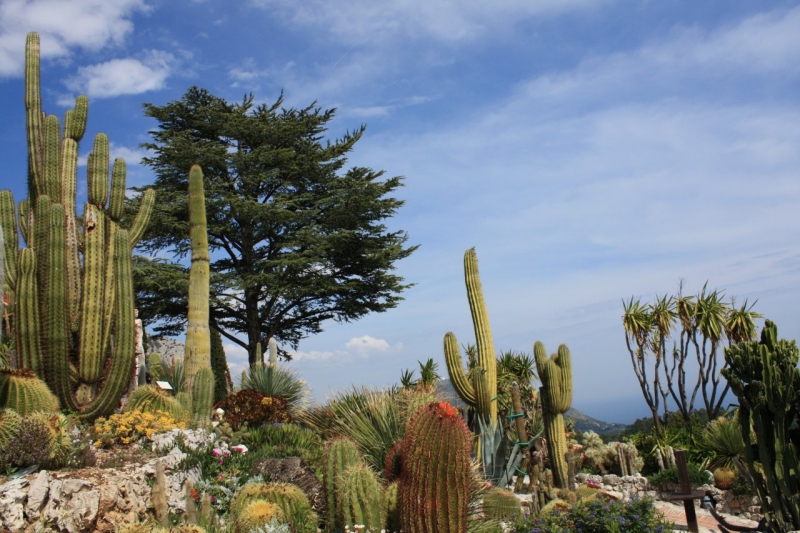
Every year, a medieval festival "Eze d’Antan" (the Eze of Old) re-enacts the lost years of the village of Eze. Other events punctuating life in Eze are the Astrorama in particular, where one can peacefully gaze at the stars.
WALKS
SPORTS

LOCATION AND DIRECTIONS
By air :
Nice Côte d’Azur International is the closest airport. At Monaco a heliport links the Principality and Nice Airport.
By road :
When you are coming from Nice on the A8 motorway, take exit 57 – La Turbie. Then take the D45 up to the village of Eze. When coming from the other direction, come off at Monaco and head for the village of Eze via the “Moyenne Corniche” (middle coastal road). You can also come in from the seaside route by taking the “Basse Corniche” (lower coastal road), the RN98, or take the “Moyenne Corniche,” the RN7, or the “Grande Corniche” (upper coastal road), the D2564.
By train :
Eze-Bord-de-Mer railway station is served by the regional TER network.
See all Hotels in Eze.
Articles
Escapade |
|
| Excursion to Eze Whether it’s your first time to Eze or your tenth, you know you’ll always have a good time here. This excursion takes us to the lanes of Eze, a high-altitude village close to Côte d’Azur’s Astrorama. An eagle’s ... |
|
Activity |
|
| Driving experience « DRIVING EXPERIENCE » in Eze Celebrate your maiden drive in a Ferrari! LIVEN UP: Tel: +33 (0)6 11 52 31 51 www.drivingexperience.livenup.fr The ... |
Tourist Office
Tourist Office :
Place du Général de Gaulle
06360 Eze
Tel : 04 93 41 26 00
Fax : 04 93 41 04 80
Info
Website : http://www.eze-riviera.com
Contact e-mail : Information request Eze
City hall of Éze
Maire de Éze (canton de Villefranche-sur-mer) : Monsieur CHERKI Stéphane.
City population : 2526 inhabitants.
Contact information :
6 avenue du Jardin exotique, 06360 èZE
Tel : 
Show the phone number
Fax :
Show the phone number
Contact the Éze city hall
Useful links